
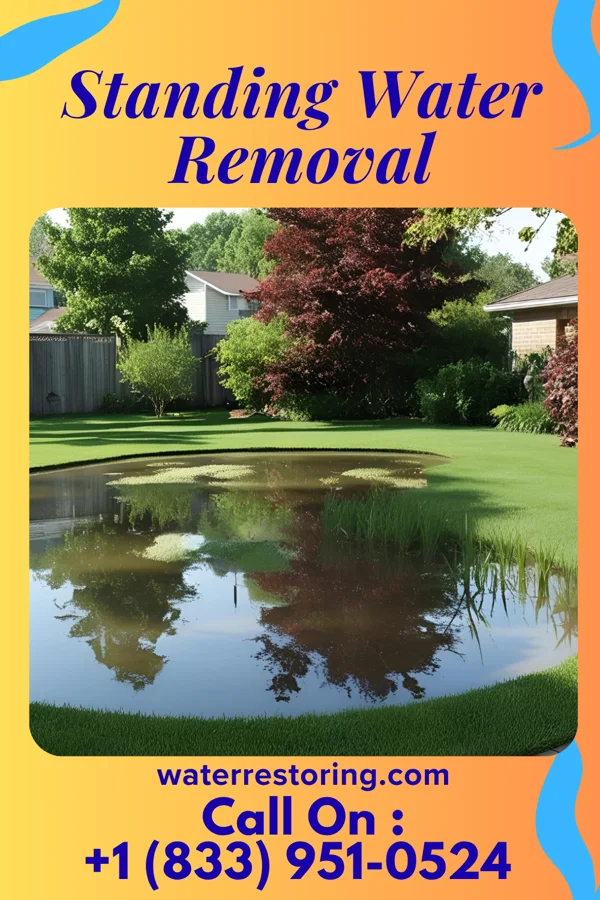
Shinnecock Hills Standing Water: What Owners Should Know
Residential or commercial, water damage emergencies in Shinnecock Hills keep coming back to the same drivers. In Shinnecock Hills, New York, primary water damage often stems from storm surges and heavy rainfall due to its coastal location near the North Sea. Flooding from the Atlantic Ocean, especially during hurricanes or nor'easters, can lead to significant water intrusion in residential properties. sits at the top of the list. A close second is Secondary causes include plumbing failures such as burst pipes and leaking appliances, as well as groundwater seepage through porous soil in the area. Additionally, seasonal high tides can cause minor but persistent water issues in lower-lying neighborhoods..
Shinnecock Hills experiences a temperate climate with high humidity and frequent coastal storms, increasing the risk of water damage. The proximity to the Atlantic Ocean means that flooding and saltwater intrusion are recurring concerns for local residents.
Water damage in Shinnecock Hills follows a few local patterns. In Shinnecock Hills, New York, primary water damage often stems from storm surges and heavy rainfall due to its coastal location near the North Sea. Flooding from the Atlantic Ocean, especially during hurricanes or nor'easters, can lead to significant water intrusion in residential properties. accounts for the bulk of our calls. Shinnecock Hills experiences a temperate climate with high humidity and frequent coastal storms, increasing the risk of water damage. The proximity to the Atlantic Ocean means that flooding and saltwater intrusion are recurring concerns for local residents. Mold growth in Shinnecock Hills can develop rapidly due to high humidity and frequent rainfall, making prompt water damage response critical to prevent health hazards and structural damage.
For public guidance on the health effects of mold after prolonged water exposure, see the EPA mold and health page.